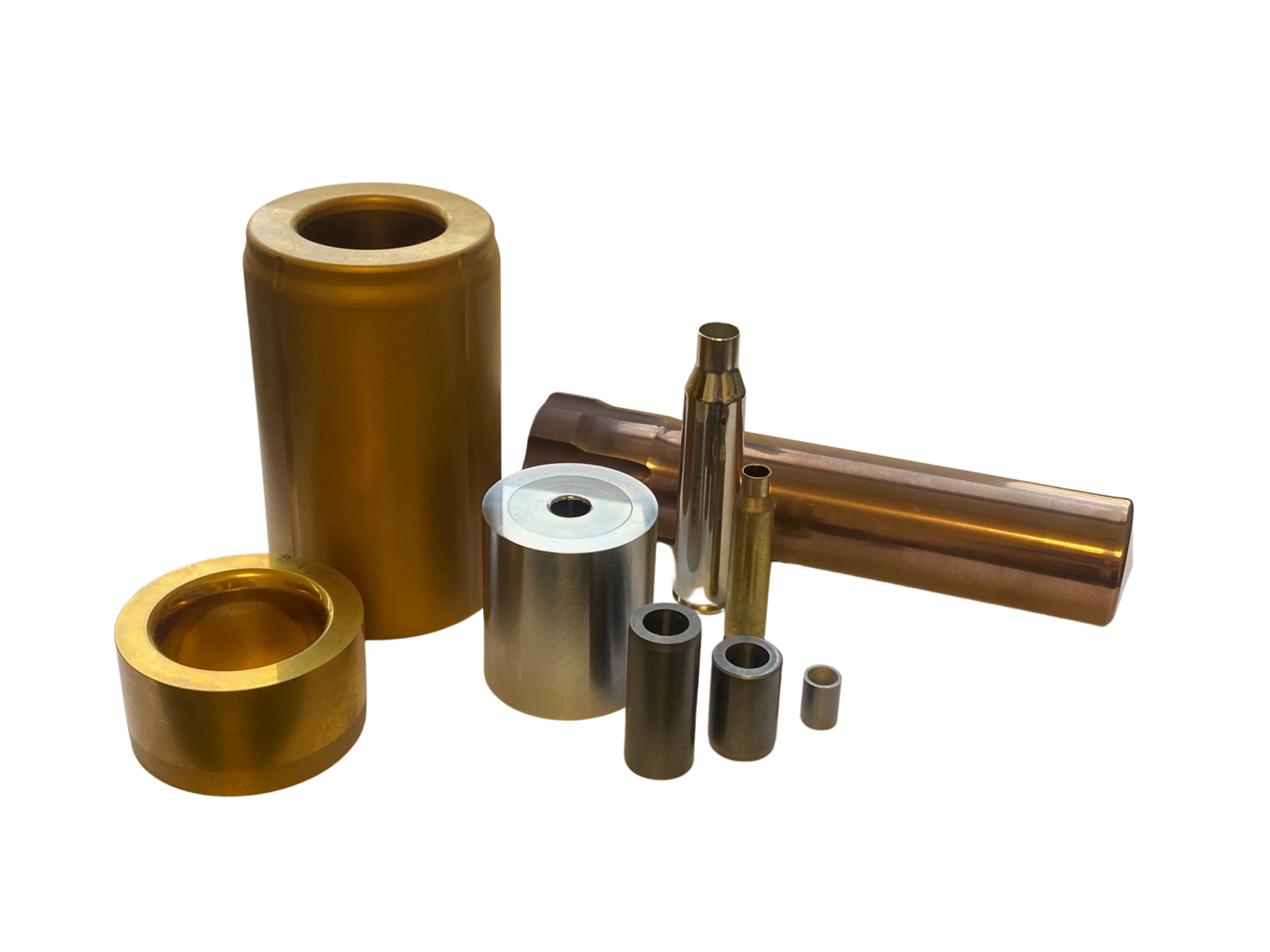
The tungsten carbide industry has emerged as an important factor in modern manufacturing and
engineering sectors.
Tungsten carbide, known for its exceptional hardness and wear resistance is utilized to form a wide variety of metals and powders. Tungsten is used in anything from cutting tools and industrial machinery to electronics and jewelry, however it is probably best known for its use in
carbide dies and tooling. Since it is harder than steel it can be used to form anything from nuts and bolts to rods and complex shapes.
Tungsten carbide is a compound of tungsten (W) and carbon (C), synthesized through a high-temperature process known as sintering. It is known for its extreme hardness, ranking only second to diamonds and a few other synthetic materials. This unique property makes it a preferred material for creating high-performance dies, tools and components that endure harsh working conditions and wear.
Over the years, the demand for tungsten carbide has grown due to its remarkable performance and versatility. Its applications span a wide range of industries, including:
Metal Forming: Tungsten carbide is highly valued for forming metal slugs, sizing tubing and in stamping operations. Carbide dies are particularly desired in the cold forming/cold heading industries for their precise and rapid ability to form metals into such things as fasteners.
Cutting/Mining Tools: Tungsten carbide's superior hardness and abrasion resistance make it an ideal material for cutting tools used in metalworking, tunneling and drilling.
Industrial Machinery: Many industries rely heavily on tungsten carbide for creating wear-resistant parts. Examples include pumps, valves, carbide bushings, and high pressure nozzles like sand blasting nozzles.
Electronics: The microelectronics industry employs tungsten carbide in chip substrates and circuitry due to its excellent thermal conductivity and electrical resistance.
Jewelry: The jewelry sector benefits from tungsten carbide's scratch-resistant nature, creating durable and long-lasting accessories.
Tungsten carbide was first discovered early in the 20th century (See The History of Tungsten Carbide) however advancements in tungsten carbide technology continue to this day. Engineers and scientists have been successful in creating nanostructured and composite tungsten carbide materials that can improve its performance characteristics.
These advancements have led to the development of cutting-edge tools that can operate at higher temperatures, increased speeds, and with improved precision. Additionally, the integration of tungsten carbide into 3D printing technology has opened new possibilities for complex and customized parts.
The future of the tungsten carbide industry looks promising. As technology continues to advance, tungsten carbide will play a critical role in shaping various sectors. Potential areas of growth include the aerospace and defense, renewable energy and medical industries. However, challenges include ethical and environmentally sound mining and continuing the high rates of recycling in the industry.
The tungsten carbide industry has come a long way since its inception, revolutionizing manufacturing processes across various sectors. Its unique properties have enabled the development of cutting-edge tools and components, driving progress and innovation. As sustainable practices and technological advancements continue to shape the industry, tungsten carbide will undoubtedly remain a pivotal material in business and manufacturing.