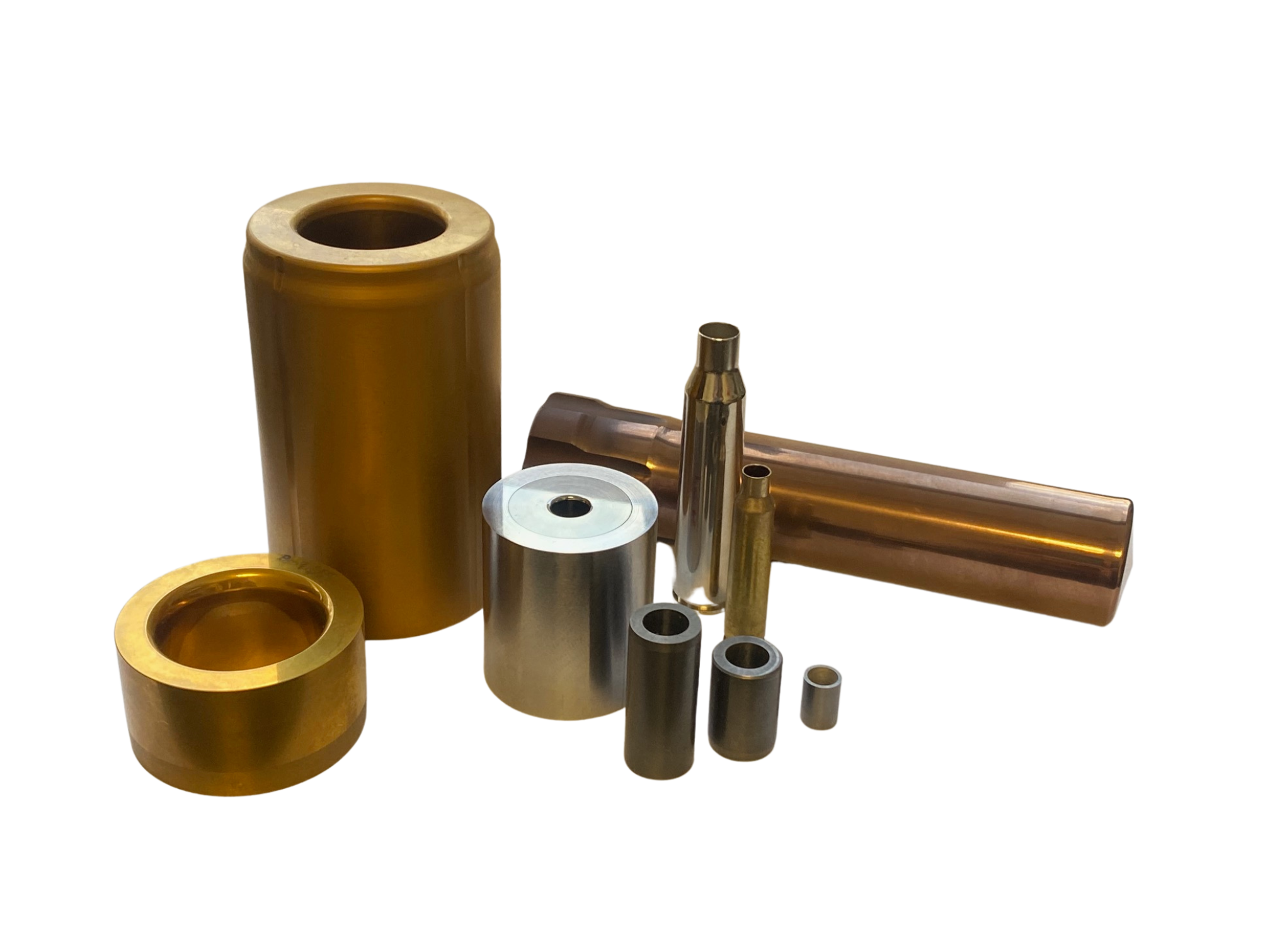


In 2026, additive manufacturing (AM) is moving from the lab to the production floor. Binder-jet and laser-based processes now make it possible to create complex tungsten-carbide geometries with internal cooling features and lightweight lattice structures — impossible with traditional pressing and grinding. These innovations mean faster design cycles, custom inserts, and on-demand spare parts.
At the same time, smart tooling and embedded sensors are transforming production lines. By tracking temperature, vibration, and strain in real time, AI-driven systems can predict tool wear before it causes downtime, ensuring consistent part quality and extending tool life.
Raven Carbide Die is watching these trends closely — and applying emerging technology to help manufacturers improve precision and productivity. Learn more about what’s next in carbide tooling for 2026 here.
Start Implementing What’s Next in Carbide Tooling with Raven Carbide Die
Want to see how these innovations could benefit your operation? Contact us today to explore the next generation of carbide tooling.


No comments:
Post a Comment